
Expert Tips to Feed Big Breed Dogs for Optimal Health and Growth |
Discover how to nourish your large breed puppy with the right nutrition in your local community |
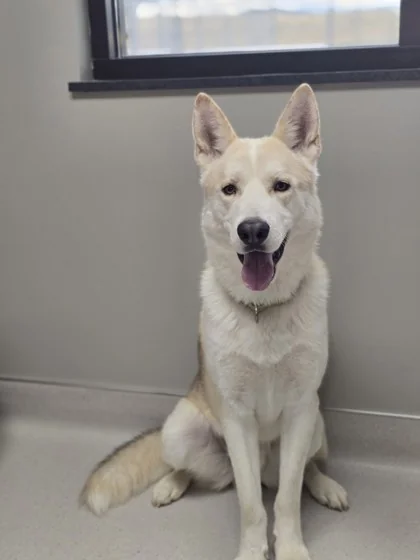
Welcoming a large breed puppy into your home brings immense joy and responsibility.
These energetic bundles, destined to tip the scales at 70 pounds or more as adults, require tailored care to thrive.
Local vets emphasize that feeding big breed dogs properly sets the foundation for a long, vibrant life.
In bustling neighborhoods across the country, pet owners are turning to fresh, balanced options to support their pups' unique needs.
Understanding your puppy's growth timeline is crucial.
Unlike smaller breeds, these giants mature slowly, often taking up to two years to reach full size.
This extended period demands precise nutrition to avoid issues like joint strain or excess weight.
Recent community workshops in areas like suburban parks highlight the importance of portion control and scheduled meals.
Start by confirming if your furry friend qualifies as a large breed—think majestic Great Danes or sturdy Saint Bernards.
Once identified, focus on foods rich in essential nutrients like calcium and phosphorus in balanced ratios.
Overdoing supplements can lead to imbalances, so stick to complete formulas vetted by experts.
Local pet stores are stocking more human-grade options that include omega-3s for brain development, boosting memory and learning.
Feeding schedules matter too—young pups need multiple meals daily, gradually reducing as they grow.
Community vets recommend dividing portions into at least two sittings to monitor health and prevent overeating.
In 2025, with new pet care resources popping up in cities, personalized plans make it simpler to maintain ideal body condition.
Keeping your dog lean could add years to their life, a fact that's resonating with families nationwide.
Avoid free-feeding; instead, use pre-portioned meals to track intake accurately.
For active pups in local dog parks, consider splitting meals further to match their energy levels.
Treats should never exceed 10% of daily calories to prevent nutritional gaps.
This approach contrasts with outdated habits, ensuring steady growth without risks.
Consult your neighborhood veterinarian for customized advice, especially during rapid growth phases.
With rising awareness in community events, more owners are prioritizing fresh, digestible foods for lifelong wellness.
Embrace these strategies to watch your large breed puppy flourish into a strong, happy companion.
FAQ: What makes nutrition different for large breed puppies?
Large breeds grow slower and need controlled calories to support joint health.
How often should I feed my big breed dog?
Start with three to four meals daily, adjusting based on age and activity.
Can I use regular dog food for puppies? No, opt for puppy-specific formulas to meet their developmental needs. |
0 Comments
Join the conversation
Be the first to comment
Share your thoughts above.