
Holiday Food Dog Digest: Safe Treats and Risks for Your Furry Friend This Season |
Discover which festive dishes your pup can enjoy and which to avoid for a joyful, healthy celebration |
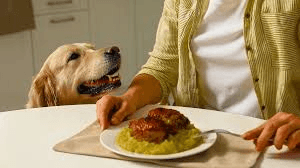
As the holiday lights twinkle and family gatherings fill homes with warmth, many pet owners wonder about sharing seasonal delights with their dogs.
This holiday food dog digest breaks down essential tips to keep your canine companion safe amid the feasts of Christmas, Hanukkah, and Kwanzaa.
Recent veterinary insights from 2025 emphasize avoiding common pitfalls like chocolate hidden in desserts, which can lead to severe toxicity.
Imagine the heartbreak of an emergency vet visit during family time—prevention starts with knowledge.
Dogs often beg with those irresistible eyes, but fatty foods like gravy or ham can trigger pancreatitis, a painful condition vets warn about increasingly this year.
Let's explore specific items, starting with meats that might tempt you to slip a bite under the table.
For ham, experts advise against it due to high salt and fat levels that upset digestion.
Instead, opt for small pieces of plain, lean turkey, a nutrient-rich choice packed with protein and minerals like iron.
This simple swap keeps the holiday spirit alive without health risks.
Roast beef gets a cautious yes in tiny, unseasoned portions, but skip any with garlic or onions, known red blood cell damagers.
Brisket follows suit—offer just a trimmed bit without sugary sauces to avoid stomach woes.
Gravy is a firm no, laden with fats and salts that could cause vomiting or worse.
Try low-sodium broth as a savory alternative, especially chicken varieties for lower fat content.
When it comes to seafood, shellfish poses allergy and choking hazards, so steer clear.
Plain cooked fish like salmon, however, provides omega-3 benefits if boneless and fully prepared to prevent infections.
Lasagna's cheesy layers and potential toxic ingredients make it unsafe, but plain pasta offers a harmless nibble.
Cranberry sauce, with its sugar overload, risks diarrhea—fresh berries crushed slightly are a better antioxidant treat.
Mashed potatoes hide butter and cream, so plain boiled versions deliver vitamins without the extras.
Potato latkes, fried and onion-filled, are off-limits, but a baked potato keeps things simple and nutritious.
Sweet potato casseroles brim with sugars and spices like nutmeg, which can cause seizures in large doses.
Stick to bland baked sweet potatoes for that natural appeal dogs love.
Rolls and cornbread are okay in small, fully baked amounts, but watch for raw dough's rising dangers leading to bloat.
Greens like collards, when plain and cooked, add fiber and symbolize good fortune in some traditions.
Black-eyed peas bring protein if unseasoned, echoing themes of luck in holiday meals.
Okra pods, steamed without frying, make a safe veggie option.
Fruit cobblers' sweetness spells trouble, but fresh fruit slices like blueberries provide a healthy dessert vibe.
Fruitcake's raisins are toxic, so avoid entirely and choose pit-free fruits instead.
Candy canes and gingerbread cookies pack tooth-damaging sugars—vet-approved chews satisfy the craving safely.
Jelly donuts are a sugary hazard, but a deconstructed version with roll crumbs and berries could mimic the fun.
Beyond foods, remember to secure tinsel and ribbons, as 2025 reports highlight ingestion risks leading to blockages.
Moderation is key—treats should never exceed 10% of daily calories to prevent weight gain.
Consult your vet for personalized advice, especially with allergies or sensitive stomachs in mind.
By following this holiday food dog digest, you ensure your pup joins the merriment without mishaps.
FAQ: What are the top toxic holiday foods for dogs? Common dangers include chocolate, grapes, and onions, which can cause severe reactions.
Can dogs have any holiday sweets? Avoid candies; opt for plain fruits or dog-specific treats instead.
How do I include my dog in festivities safely? Focus on playtime, walks, and small safe bites rather than full shares of human meals. |
0 Comments
Join the conversation
Be the first to comment
Share your thoughts above.