

Understanding Happy Tail Syndrome: Protecting Your Dog's Joyful Wag |
Local Vets Share Insights on Risks, Treatments, and Prevention for This Common Canine Issue |
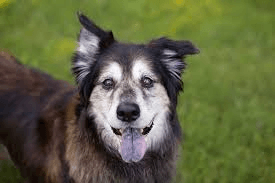
A dog's enthusiastic tail wag often brings smiles to pet owners across neighborhoods like Chicago's West Loop or sunny Winter Haven spots.
Yet, this sign of pure happiness can sometimes lead to unexpected troubles.
Happy tail syndrome strikes when a pup's powerful swings cause injuries against walls or furniture.
It's a condition that turns joy into potential pain, but with timely care, most dogs bounce back fully.
Recent insights from veterinary experts highlight how this issue affects energetic breeds in bustling urban homes or spacious suburban yards.
What exactly is happy tail syndrome?
It happens when a dog's tail repeatedly hits hard surfaces during excited wagging, leading to cuts or bleeding at the tip.
The sight of blood spraying from a still-wagging tail can shock any owner.
Local vets note that the skin near the tail's end is thin and tightly bound to bone, making it prone to trauma without much padding.
Which dogs face the highest risks?
Larger, high-energy breeds with long, slender tails top the list, such as Great Danes, Greyhounds, or Labradors.
Smaller spaces like kennels or city apartments amplify dangers, as tails smack walls more often.
Studies from recent years show wider wag angles increase injury chances, especially in short-haired pups.
In areas with active dog communities, like Florida's pet-friendly zones, vets see more cases in lively retrievers and spaniels.
Treatment starts with cleaning the wound, clipping fur, and applying bandages or protective sleeves.
Veterinarians often use antibiotics and anti-inflammatories to aid healing.
Challenges arise because bandages slip off during wags, but harness-attached covers help keep them secure.
In persistent cases, amputation might be considered, but dogs adapt remarkably well, maintaining great quality of life.
Local clinics emphasize that partial tail removal prevents repeats, though it affects communication signals.
Prevention is key to avoiding happy tail syndrome.
Pad sharp corners in your home and manage skin health to keep tails resilient.
Energetic play in open parks reduces confined-space risks.
Vets in regions like Chicago recommend early training to curb excessive wagging in tight spots.
With these steps, you can safeguard your furry friend's happiness without the worry.
FAQ: What breeds are most susceptible to happy tail syndrome?
Breeds like Greyhounds and Great Danes with thin tails are at higher risk.
How can I tell if my dog has happy tail syndrome?
Look for bleeding tail tips after vigorous wagging against hard objects.
Is amputation always necessary for treatment? No, many cases heal with bandaging, but severe ones may require it for full recovery. |
0 Comments
Join the conversation
Be the first to comment
Share your thoughts above.