

Groundbreaking Dog Research Reveals Canines Categorize Toys by Function |
New insights from recent studies show how smart pups really are |
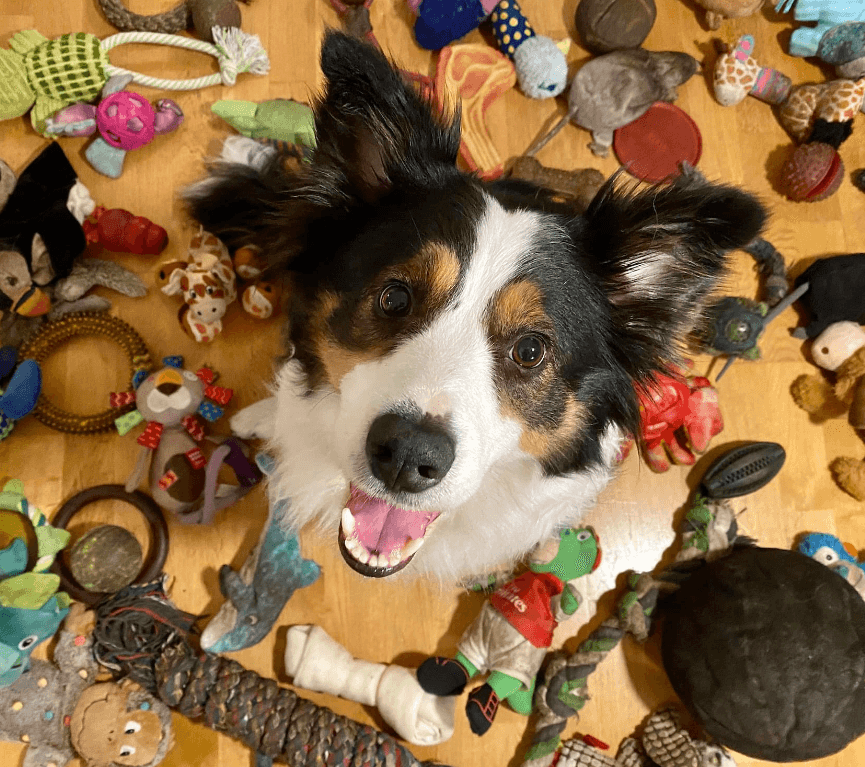
Exciting developments in dog research are changing how we view our furry friends' intelligence.
Scientists have uncovered that certain dogs can sort objects based on their purpose, going beyond just looks or smells.
This breakthrough highlights a deeper level of thinking in canines, similar to young children.
In a fresh wave of dog research, experts explored if pups could group toys by how they're used during playtime.
They focused on special dogs known for picking up words quickly, testing their ability to link labels like 'fetch' or 'pull' to toy functions.
Through everyday games with owners, these dogs learned to identify new items that served the same role, even if they appeared totally different.
The results were impressive, showing success rates well above random guessing.
Researchers used playful interactions at home, avoiding strict lab training, to mimic natural learning.
Owners introduced words during fun sessions, then asked dogs to retrieve matching items from mixed groups.
This method revealed that dogs generalized labels based on action, not just sensory traits.
Looking ahead, the team plans to investigate if average dogs share this skill, even without word knowledge.
They aim to test broader categorization abilities in more pets, potentially uncovering hidden cognitive depths.
Such findings could reshape our understanding of animal minds worldwide.
But does this prove dogs truly grasp language like humans?
Experts say no—it's more about associating sounds with meanings, not full syntax or complex sentences.
While remarkable, it's a piece of the puzzle, not evidence of true linguistic use.
For pet owners, this dog research suggests chatting more with your pup during daily routines.
It might boost their engagement and reveal untapped smarts.
Including them in conversations could strengthen bonds and make them feel part of the family.
Yes, this could inspire you to interact differently, treating your dog as a thoughtful companion.
Wondering if your dog is one of these word whizzes?
Watch for signs like quickly learning toy names or responding to casual talk.
If so, you might contribute to ongoing studies by sharing observations with researchers.
Recent dog research from global teams confirms these talents in select breeds, sparking community discussions in pet-loving neighborhoods.
Local vets and trainers are buzzing about applying these insights to training programs.
Canine cognition is evolving, promising more revelations for dog enthusiasts everywhere. |
0 Comments
Join the conversation
Be the first to comment
Share your thoughts above.